











Understanding how an ADHD brain differs from a neurotypical brain can guide effective self-awareness. Individuals often experience challenges in attention, organization, and impulse control during daily activities. Recognizing these differences helps families and individuals adopt strategies for improved well-being.
Learning about ADHD brain variations also reduces stigma and validates personal experiences across the lifespan. Parents and caregivers benefit from understanding why symptoms appear differently in children or adults. Awareness empowers individuals to pursue targeted support for attention and behavior management.
Structural Differences in the ADHD Brain
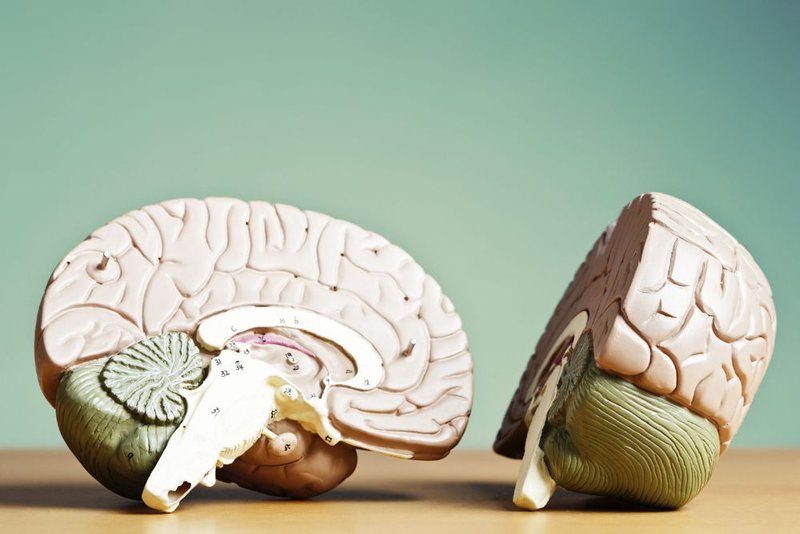
Structural differences often occur in brain regions involved in attention and executive functioning. Children with ADHD frequently show delayed cortical thickening in the frontal cortex. These structural changes influence planning, organization, and impulse control during daily activities.
Research indicates children with ADHD may have slightly smaller overall brain volume than neurotypical children. Connectivity delays between frontal and subcortical regions contribute to attention regulation difficulties. These structural variations can explain some behavioral and cognitive challenges observed in ADHD.
Brain imaging demonstrates atypical connectivity across networks responsible for behavioral control and regulation. Differences in structural pathways affect how information is processed and responses are managed consistently. Understanding these structural patterns can support personalized strategies for improving executive functioning outcomes.
Functional Differences in Neural Communication
The ADHD brain processes attention, motivation, and reward signals differently from neurotypical brains. Dopamine pathways, essential for focus, often operate less efficiently in individuals with ADHD. Reduced neurotransmitter activity can make sustaining attention during routine or low-stimulation tasks challenging.
Functional imaging reveals altered communication between frontal regions and emotion-regulating centers. These differences help explain impulsivity, distractibility, and inconsistent focus observed in daily activities. Understanding these patterns provides insight into behavior and cognitive performance variations.
Connectivity variations across cognitive networks also influence multitasking and task-switching abilities. Adjustments in environmental structure and routines can compensate for these functional differences. Recognizing functional distinctions allows development of targeted strategies for improved attention and behavior.
Developmental Differences Across the Lifespan
Brain maturation in ADHD often follows a delayed timeline compared with neurotypical development. Cortical thickening in regions responsible for executive control occurs later than expected. These delays can affect learning, social interactions, and daily functioning across different life stages.
Grey matter peaks later in ADHD brains, particularly in areas supporting self-regulation and planning. This developmental pattern may contribute to difficulties completing tasks and achieving long-term goals. Recognizing these delays allows caregivers to provide guidance aligned with individual developmental timelines.
In contrast, neurotypical development generally follows a consistent progression in attention and self-control skills. Understanding these differences helps families adapt expectations and interventions effectively. Tailored strategies can improve coping, skill development, and overall daily functioning for individuals with ADHD.
Causes and Influences on the ADHD Brain
Genetics play a major role in ADHD development, with heritability estimates around 70–80 percent. Children with a family history of ADHD are more likely to develop symptoms. Understanding genetic contributions helps families anticipate potential challenges and seek early support.
Prenatal and early life factors also influence brain development, including maternal substance use or stress. These influences interact with genetic predispositions, affecting symptom severity and presentation. Early awareness of these factors supports proactive interventions and tailored care planning.
Environmental factors, such as childhood head injuries or chronic stress, can further impact neurological growth. These influences may alter attention, impulse control, and emotional regulation patterns. Recognizing combined genetic, prenatal, and environmental causes supports a holistic approach to ADHD management.

Common Challenges Faced by Individuals with ADHD Brain
Individuals with an ADHD brain often experience difficulties managing daily tasks and time effectively. Emotional regulation challenges can create stress and complicate social, academic, or work responsibilities. Transitions and distractions may feel more overwhelming compared with neurotypical peers.
The following challenges are commonly observed and can help guide supportive strategies:
- Task organization difficulties make planning, prioritizing, and completing responsibilities consistently challenging.
- Time management struggles lead to missed deadlines and increased pressure in daily routines.
- Emotional regulation issues cause frustration, irritability, or stress during demanding situations.
- Susceptibility to distractions can interrupt focus and reduce productivity in multiple environments.
- Transition challenges make adapting to new tasks or settings more difficult for individuals.
Recognizing these challenges allows individuals and families to implement strategies tailored to unique needs. Supportive routines and environmental adjustments can improve focus, reduce stress, and enhance daily functioning.
Everyday Strategies for Supporting an ADHD Brain
Practical approaches can help the ADHD brain remain engaged and function more effectively. Simple routines, reminders, and structured schedules often improve attention and task completion. Combining small adjustments in daily habits can create meaningful improvements in focus and productivity.
Consider implementing the following strategies consistently to support attention, organization, and emotional regulation:
- Use visual schedules and reminders to organize daily tasks and reduce cognitive overload.
- Break large tasks into smaller steps to make projects feel more achievable and manageable.
- Maintain consistent sleep routines to enhance cognitive performance and emotional regulation.
- Incorporate regular physical activity to support brain function and reduce restlessness.
- Follow balanced nutrition habits to promote stable energy levels and improved focus throughout the day.
Applying these strategies consistently strengthens attention, reduces stress, and supports daily functioning. Small, practical adjustments can significantly improve the ADHD brain’s engagement and efficiency.
Supporting ADHD Brain Wellness with Personalized Care
Tailwinds Psychology helps individuals understand how an ADHD brain functions and manage related challenges effectively. Professional evaluations provide insight into attention patterns, executive functioning, and behavioral tendencies. This knowledge allows for tailored strategies that address each person’s unique strengths and needs.
Customized plans combining therapy, testing, and psychiatric guidance support skill development and emotional regulation. Evidence-based interventions align with the brain’s processing style to enhance daily functioning. Contact us today to schedule a personalized evaluation and explore strategies for attention, behavior, and wellness.