










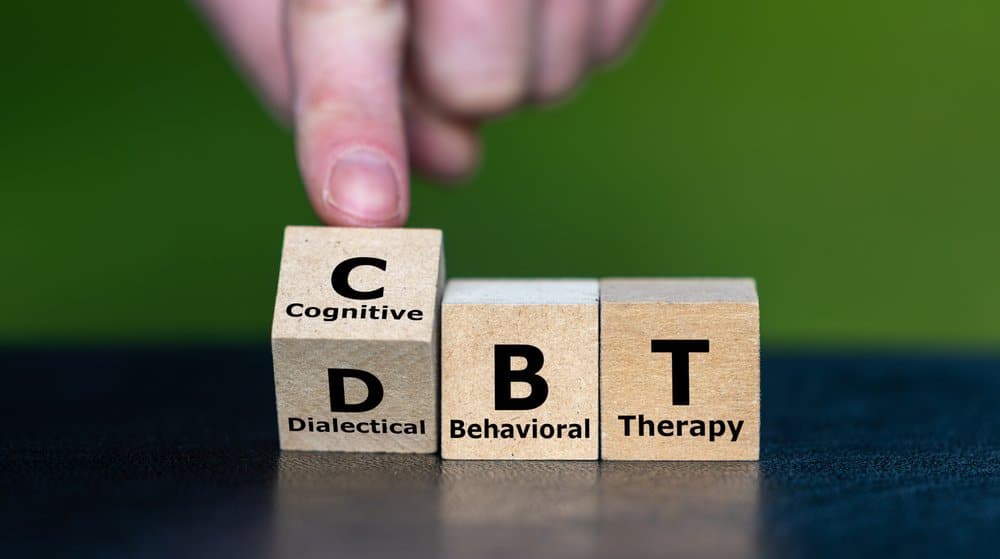
Many individuals explore therapy options to improve emotional wellness while addressing everyday stressors effectively. Choosing between DBT vs CBT helps determine which intervention best meets unique mental health requirements. Understanding the differences allows clients to make more informed decisions and ensures better treatment outcomes.
Emotional regulation and cognitive patterns often influence personal growth and relationship satisfaction. Therefore, selecting the appropriate therapy supports long-term stability and skill development. Considering the unique objectives of each modality enhances overall mental health care decisions.
CBT Overview
Cognitive Behavioral Therapy focuses on identifying and reframing negative thoughts. It helps clients challenge distorted thinking while applying practical solutions. Additionally, DBT vs CBT shows that CBT can effectively address depression, anxiety, PTSD, and obsessive-compulsive symptoms using structured techniques that guide each step.

Sessions are structured, lasting forty-five to sixty minutes weekly over six to twenty weeks. Clients receive consistent skill reinforcement and measurable improvements within a limited timeframe. Homework assignments enhance independent practice and ensure techniques generalize to real-life situations.
Research shows CBT produces measurable neural changes in adults with depression, including reduced limbic reactivity and altered prefrontal activity linked to emotional processing. These brain changes align with symptom improvement and functional gains. Together, the findings support CBT’s effectiveness as a first‑line therapy.
When CBT May Be the Better Fit
CBT suits individuals experiencing mild to moderate anxiety, depression, or stress-related challenges effectively. Its structured format helps clients develop practical skills while promoting long-term cognitive insight consistently. Consequently, clients achieve predictable outcomes with measurable progress throughout the course of treatment sessions.
The following indicators suggest CBT may be most appropriate:
- Persistent negative thoughts disrupting daily decision-making
- Situational anxiety or stress affecting school, work, or social functioning
- Mild to moderate depression requiring structured cognitive interventions
- Obsessive or compulsive thinking patterns interfering with routines
- Desire for a time-limited, goal-oriented therapy program
Clients develop measurable progress while practicing skills independently outside of regular therapy sessions consistently. Furthermore, completing structured exercises helps reinforce learned techniques and strengthens overall therapeutic gains efficiently. Evaluating DBT vs CBT carefully ensures the chosen therapy aligns with symptom severity and personal goals.
DBT Overview: Understanding DBT vs CBT
Dialectical Behavior Therapy builds upon CBT while integrating mindfulness, emotion regulation, and interpersonal effectiveness. It emphasizes acceptance alongside behavioral change to manage intense emotions skillfully. DBT vs CBT clarifies that DBT is recommended for complex trauma, chronic self-harm, and borderline personality disorder.
Treatment includes weekly individual sessions, group skills classes, and coaching support outside therapy consistently. Clients gain multiple coping strategies to manage crises safely and effectively in daily life. Group sessions also enhance peer support while promoting consistent practice of newly learned techniques regularly.
Research demonstrates DBT reduces self-harming behaviors and improves emotional stability over extended periods. Longitudinal data reveal improvements in interpersonal functioning and reduced hospitalization rates. These outcomes confirm DBT’s effectiveness for individuals with multifaceted emotional challenges.
When DBT vs CBT Matters Most
DBT suits individuals struggling with severe emotional dysregulation or impulsive behaviors affecting daily life. It incorporates mindfulness and distress tolerance skills while emphasizing interpersonal effectiveness. Additionally, combined individual and group therapy strengthens skill generalization across environments.
The following challenges indicate DBT may be the best choice:
- Persistent emotional intensity disrupting personal and professional stability
- Self-harming behaviors or suicidal thoughts requiring structured support
- Chronic interpersonal conflicts and relationship instability
- Impulsive actions interfering with daily functioning and safety
- Overwhelming emotional responses preventing goal attainment
DBT equips clients with practical strategies to tolerate distress while promoting meaningful behavioral changes effectively. Furthermore, participating in group sessions strengthens social support and reinforces consistent use of learned skills. Recognizing DBT vs CBT differences helps ensure therapy matches each client’s unique needs and circumstances.

Treatment Duration & Structure of DBT vs CBT
CBT usually lasts six to twenty weeks, depending on individual goals and symptom severity. Sessions focus on structured exercises targeting cognitive and behavioral changes systematically. Therefore, clients achieve measurable outcomes and gain skills applicable outside therapy.
In contrast, DBT extends over six months or more, combining multiple therapeutic elements simultaneously. Individual sessions, group skills training, and coaching support provide ongoing reinforcement. Longer duration allows internalization of emotion regulation and interpersonal effectiveness strategies.
Understanding treatment length and structure highlights the distinct purposes of each therapy. CBT emphasizes cognitive restructuring efficiently, while DBT targets emotional and relational growth comprehensively. Evaluating DBT vs CBT guides clients in selecting the intervention that best fits their needs.
Tailwinds Psychology: Evidence-Based Therapy Support
Understanding DBT vs CBT provides clarity for individuals seeking effective mental wellness interventions. Both therapies target thoughts, behaviors, and coping strategies, yet differ in intensity and structure. Consequently, selecting the appropriate approach depends on symptom type, personal goals, and desired outcomes.
Tailwinds Psychology offers CBT and DBT programs tailored to individual needs and schedules. Therapists collaborate to ensure evidence-based, structured support throughout DBT vs CBT treatment. Schedule a consultation to explore a therapy plan designed specifically for you.