










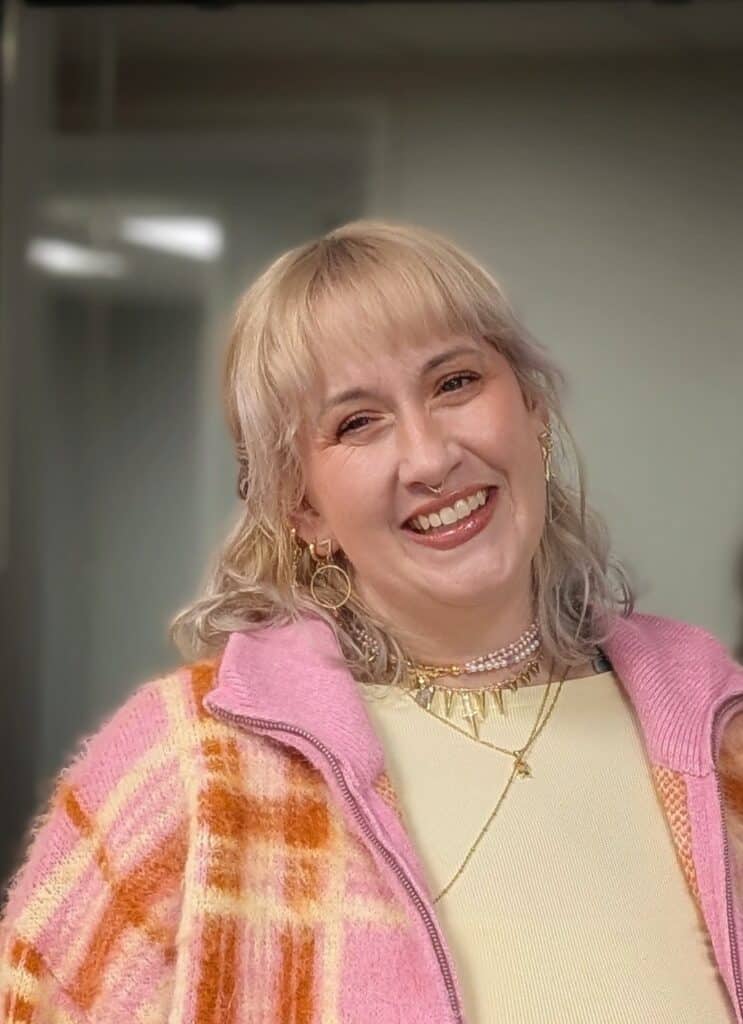
Hi there! I’m Maxine. I’m delighted to meet you.
Outside of therapy, I’m a parent, an artist, a Taurus, and someone who finds grounding in creativity and nature. Much of my free time is spent making art, reading, spending time with my children, or being outdoors whenever possible. I’m especially drawn to water—the ocean, lakes, and marine life—and often find inspiration and calm in spaces connected to nature.
Art plays a huge role in my life, and has facilitated my personal mental health journey, using creativity to help process emotions, reconnect with myself, and find meaning during difficult seasons of life. Because of this, I deeply value authenticity, curiosity, and personal growth—both in myself and in the people I work with.
I believe healing happens when we feel safe enough to be fully human: complex, evolving, and worthy of compassion.
Master of Counseling and Art Therapy: Southwestern College
…how creativity and symbolism support emotional healing.
…why I feel most at peace near water or the ocean.
…my favorite animals and how nature inspires my work.
…about my favorite books or current creative projects!
Master of Counseling and Art Therapy: Southwestern College

My work centers around helping people better understand who they are, especially when they feel disconnected from themselves, stuck in unhealthy relationship patterns, or weighed down by self-criticism.
I view therapy as a collaborative process rooted in trust, emotional safety, and honest conversation. Many of the clients I work with are navigating questions of identity, confidence, or relational patterns that no longer serve them.
I take a trauma-informed and attachment-based approach, exploring how past experiences, relationships, and internalized messages shape the way we see ourselves today. Together, we work to identify patterns, challenge negative self-talk, strengthen self-worth, and develop healthier ways of relating to both yourself and others.
I am particularly passionate about supporting teens and adult individuals exploring self-identity, empowerment, and emotional autonomy, especially those recovering from people-pleasing, toxic relationship dynamics, or chronic self-doubt.
Sessions with me are warm, conversational, and reflective. You can expect a space where you are listened to deeply while also gently encouraged to grow and gain insight.
Our work may include:
Because of my background in art therapy, we may also explore symbolism, personal narratives, and archetypal themes as a way to better understand your inner world and sense of identity. Many clients find it helpful to look at recurring roles, patterns, or symbolic imagery that reflect how they see themselves and their place in relationships and life transitions.
I balance emotional processing with practical tools, helping therapy feel both supportive and meaningful. Creativity is always optional—no artistic experience is required.
My style is compassionate, collaborative, and grounded. I aim to create a space where clients feel understood while also empowered to make lasting changes.


I am a professional counselor and art therapist, and I have been working in the field for 13 years, I’ve worked in inpatient mental health, hospice, nursing homes, and private practice. I am committed to inclusive, culturally responsive care. I primarily work with adolescents and adults who are navigating:
My work integrates:
Reaching out for therapy can feel intimidating—especially if you’ve spent a long time putting others’ needs before your own or wondering whether your struggles are “big enough” to deserve support.
Therapy is a place where you can slow down, reconnect with yourself, and begin building a relationship with your own voice, needs, and identity. You don’t have to have everything figured out before starting, just a willingness to begin.
If you’re looking for a therapist who will meet you with warmth, curiosity, and compassion while helping you move toward meaningful change, I would be honored to work with you.

Here are answers to questions I hear from clients most often!
Art or expressive therapy uses creative activities—such as drawing, writing, or other forms of expression—to help explore thoughts and emotions. It’s not about being “good” at art, but about using creativity as a way to better understand yourself and process experiences in a different way than traditional talk therapy alone.
Not at all. You don’t need any artistic experience or skill. The focus is on expression, not the final product. Many people who don’t consider themselves creative still find expressive approaches helpful because they allow for a different way of accessing and understanding emotions.
Expressive therapy can help slow things down and create space to process emotions that may feel difficult to put into words. For individuals experiencing anxiety or overwhelm, creative expression can provide a more grounded and accessible way to explore feelings and reduce intensity.
Expressive therapy can be particularly helpful when emotions feel hard to describe, when someone feels stuck in their thoughts, or when traditional talk therapy alone doesn’t feel like enough. It can also be useful for individuals who process experiences more visually or creatively.
Yes. Expressive techniques are often integrated with talk therapy, depending on your needs and preferences. Some sessions may focus more on conversation, while others incorporate creative elements to support deeper understanding and emotional processing.
Sessions may include activities like drawing, journaling, or other forms of creative expression, along with discussion about what comes up during the process. Everything is guided and optional, and the approach is always tailored to what feels most comfortable and helpful for you.
Yes. We provide therapy for young adults and individuals in Naperville and throughout the western suburbs of Chicago. Our approach is supportive, collaborative, and focused on helping you better understand yourself and your experiences.
Difficulty with boundaries is often connected to a desire to avoid conflict, gain approval, or maintain relationships. While these tendencies can be understandable, they can also lead to burnout and resentment. Therapy can help you build confidence in setting boundaries in a way that feels both clear and respectful.
Feeling stuck is common, especially during periods of transition or when your current path no longer feels aligned with who you are. Therapy can help you explore what’s contributing to that feeling, clarify your values, and begin to move forward with greater direction and confidence.
Feeling overwhelmed often happens when stress builds up without enough space to process it. This can include work, relationships, expectations, or internal pressure to keep everything together. Therapy can help you slow down, understand what’s contributing to that feeling, and develop more manageable ways of coping.
Therapy helps you identify the patterns that drive anxiety and overthinking, such as worry loops, self-doubt, or fear of uncertainty. Over time, you can learn strategies to quiet those patterns, feel more grounded, and respond to stress in a more balanced way.
Therapy can be helpful if you’re feeling overwhelmed, stuck, or unsure how to move forward. Many people also seek therapy simply to better understand themselves. If you’re considering it, it’s often a good indication that it could be beneficial.
This experience is often tied to internalized expectations, comparison, or patterns of self-criticism. Even when things are going well externally, those internal patterns can persist. Therapy can help you understand where those beliefs come from and begin to shift them over time.
People-pleasing often develops as a way to maintain relationships or avoid conflict, but it can lead to feeling drained or disconnected from your own needs. Therapy can help you build awareness, strengthen your sense of self, and develop more balanced ways of relating to others.