










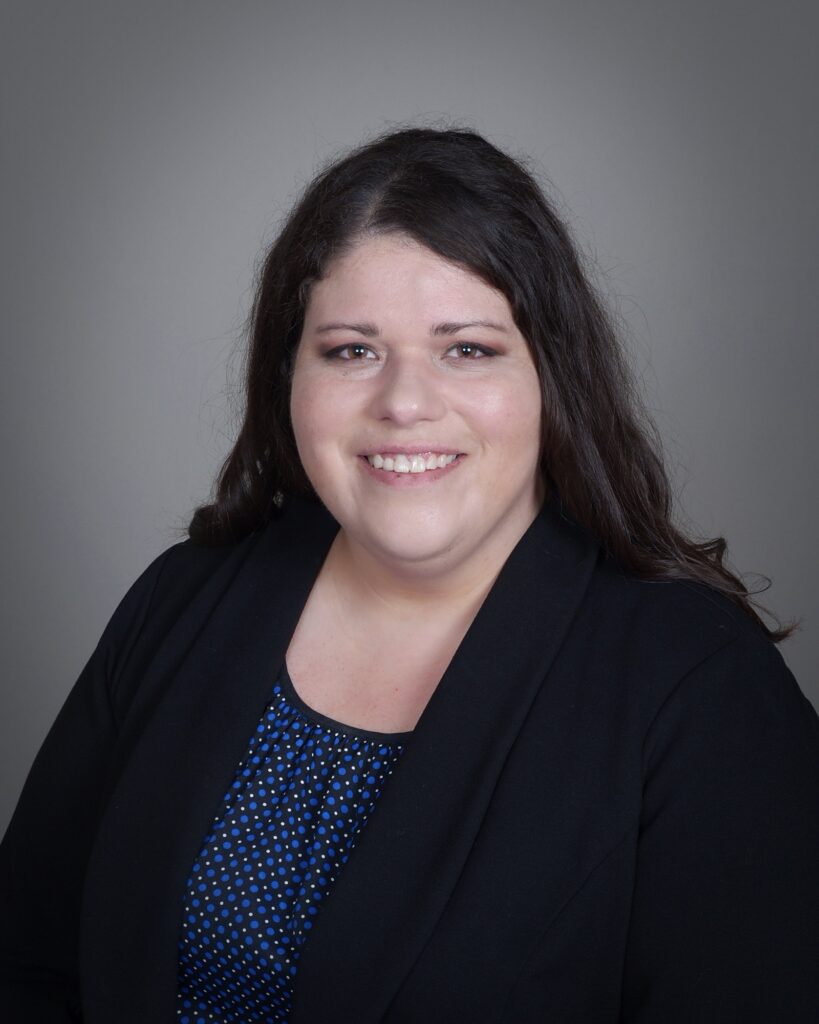
Hi, I’m Gina! Thanks for visiting my Tailwinds page! I’m eager to share a bit about me and the work that I do to help you figure out if we would hit it off in therapy.
Outside of therapy, I’m someone who values connection, balance, and finding small moments of calm in everyday life. I enjoy listening to audiobooks, working on jigsaw puzzles, going on walks with my dog, traveling, and spending time with the people who matter most to me. I tend to bring that same grounded, down-to-earth energy into my work—along with a bit of humor—because I believe growth doesn’t have to happen in a space that feels overly heavy or clinical.
Master of Arts in Counseling: Adler School of Professional Psychology
Licensed Clinical Professional Counselor (IL License #: 180.016072)
…why I left sunny California for snowy Chicago.
…what my favorite domestic thriller book is.
…about my dog Scooter and his adoption story.
…what my favorite time of day to take pictures is.
Master of Arts in Counseling: Adler School of Professional Psychology
Licensed Clinical Professional Counselor (IL License #: 180.016072)

At the core of my work is the belief that real change happens within a strong therapeutic relationship. I approach therapy from a person-centered, strengths-based, and existential lens, focusing on creating a space where you feel understood, respected, and able to show up as you are. I balance empathy with gentle directness, helping clients not only feel supported, but also move toward meaningful, lasting change.
Sessions with me are typically conversational, collaborative, and tailored to what you need in the moment. Some days we may focus on processing and making sense of what you’re going through; other days we may lean into skill-building and practical tools you can use outside of session. I integrate approaches like cognitive behavioral therapy (CBT), dialectical behavior therapy (DBT), and motivational interviewing (MI) to help with emotional regulation, distress tolerance, and behavior change—but always in a way that feels natural, not rigid. You can expect warmth, honesty, and a space where you don’t have to filter yourself.


I am a Licensed Clinical Professional Counselor (LCPC) and Certified Alcohol and Drug Counselor (CADC), working with older teens and adults across a range of concerns. My areas of focus include anxiety, depression, substance use, relationship and couples issues, life transitions, and identity-related concerns, including gender identity. I also have experience supporting men’s issues, reproductive and postpartum concerns, and individuals navigating medical or health-related challenges.
I additionally am trained in administering Alpha Stim treatment for clients with treatment-resistant depression, anxiety, and sleep issues, including insomnia. Learn more about Alpha Stim here.
My background includes extensive work in community mental health, where I developed a flexible, integrative approach that allows me to meet clients where they are while providing practical, skills-based support.
Starting therapy can feel like a big step, and it’s completely normal to feel unsure at first. My goal is to create a space where you feel supported and not alone in what you’re facing. Change doesn’t happen all at once—most progress happens in baby steps, not huge leaps. I’m here to walk alongside you, supporting and challenging you along the way, and helping you move forward in a way that feels manageable.

Here are answers to questions I hear from clients most often!
Many patterns—whether in relationships, emotions, or behaviors—develop over time and become automatic. Even when you’re motivated to change, those patterns can still feel familiar or hard to break. Therapy helps you understand where those patterns come from and build practical ways to shift them.
Repeated conflict often reflects deeper patterns in communication, emotional needs, or expectations. These patterns can develop over time and become difficult to recognize from the inside. Therapy helps bring those patterns into focus and gives you tools to respond differently.
Strong emotions can feel difficult to manage when your system is under stress or hasn’t developed consistent ways to process them. This isn’t a personal failure—it’s often a skill gap. Approaches like dialectical behavior therapy (DBT) can help you build tools to manage emotions more effectively and feel more in control.
Improving communication involves more than just saying things differently—it includes understanding your own reactions, listening more effectively, and staying engaged during difficult moments. Therapy can help you develop these skills in a way that feels natural and sustainable.
Couples therapy can be helpful if you’re experiencing ongoing conflict, feeling disconnected, or struggling to understand each other. It’s not just for crisis situations—it can also help strengthen relationships and improve communication over time.
Yes. I provide therapy for individuals seeking alcohol and substance use counseling in Naperville and throughout the western suburbs of Chicago. I collaborate closely with assessment psychologists and psychiatric providers to make sure every client benefits from comprehensive, well-rounded mental healthcare.
It may be worth exploring if your use is impacting your mood, relationships, work, or sense of control. You don’t need to meet a specific label to benefit from support. Therapy can help you take a closer look and decide what changes, if any, feel right for you.
Change doesn’t have to happen all at once. In fact, it’s often more sustainable when it happens gradually. Therapy focuses on breaking things down into manageable steps so you can build momentum over time without feeling overwhelmed.
Feeling comfortable being yourself often involves understanding your needs, boundaries, and values. Therapy can help you build confidence in expressing those parts of yourself while navigating relationships in a way that feels more authentic.
Managing stress often involves building both awareness and practical skills—like grounding techniques, emotional regulation strategies, and more balanced thinking patterns. Therapy helps you develop these tools and apply them in real-life situations.
Follow-through is often where people get stuck, not because they lack motivation, but because change is hard to sustain without structure and support. Therapy helps you create realistic goals, identify obstacles, and build consistency over time.
Many people develop a strong sense of independence out of necessity, but it can also make it hard to ask for support. Therapy helps you explore that pattern and build more balance between self-reliance and connection.